
Understanding Blockchain: A Beginner's Guide
December 27, 2023

Abdellah Nassim MERIDJA
"Understanding Blockchain: A Beginner's Guide" is an introductory exploration into the world of blockchain technology, designed for those new to the concept. It begins by demystifying blockchain, explaining its origins, basic structure, and the principles underlying its operation. The guide makes complex ideas like Distributed Ledger and Decentralization easy to understand through simple language and real-world analogies. The article highlights the defining features of blockchain, such as its immutability, security, and transparent nature, illustrating why it's considered a revolutionary technology. It also distinguishes between different types of blockchain, such as Public, Private, and Consortium, and explores their various applications across industries like finance, healthcare, and supply chain management. Addressing both the potential and the challenges of blockchain, the guide offers a balanced perspective on its current limitations and future possibilities. To assist readers in deepening their understanding, it provides resources for further learning and tips for keeping up-to-date with the latest developments in blockchain. With its engaging content, clear explanations, and use of visual aids, the guide ensures that the concepts of blockchain are accessible and engaging for beginners. It serves as a comprehensive introduction, laying the groundwork for readers to appreciate the transformative impact of blockchain technology in the digital world.
Blockchain
Disruptive
GPT
Introduction
Welcome to the World of Blockchain!
In an era where digital transformation is not just a buzzword but a reality, blockchain technology emerges as a groundbreaking innovation. You've probably heard of blockchain in the context of cryptocurrencies like Bitcoin and Ethereum, but there's so much more to it. This guide is designed to demystify blockchain for beginners, offering a clear and concise understanding of what it is, how it works, and why it's revolutionizing the way we think about digital transactions and security.
Why Blockchain Matters
Imagine a world where every digital transaction is secure, transparent, and decentralized, freeing us from reliance on traditional intermediaries like banks. That's the promise of blockchain. It's not just a tech trend; it's a paradigm shift in managing digital information, with potential applications in finance, supply chain, healthcare, and beyond.
Your Journey Begins Here
Our journey into the world of blockchain will be enlightening and accessible. Whether you're a tech enthusiast, a curious investor, or simply someone keen to understand the future of digital technology, this guide is your starting point. We'll break down complex concepts into simple, everyday language, ensuring that you come away with a solid grasp of what blockchain is and why it's so transformative.
Ready to dive in? Let's unravel the mystery of blockchain together and explore how this technology is reshaping the digital landscape, one block at a time.

What is Blockchain?
At its core, blockchain is a revolutionary technology that has the potential to redefine transactions and data management in the digital world. But what exactly makes it so special? Let's break it down.
A New Way to Store and Share Information
Traditionally, data is stored in centralized databases, controlled by specific entities like banks or government bodies. Blockchain, on the other hand, distributes this data across a vast network of computers. This decentralized nature means no single entity has control, making the data more secure, transparent, and resistant to tampering.
Blockchain: A Chain of Blocks
Imagine blockchain as a chain, where each link is a block of data. These blocks are connected in a chronological order, forming a continuous line of information. Each block contains a set of transactions, which are verified and sealed with a digital signature, known as a hash. This hash is what makes every block unique and tamper-proof.
Decentralization: The Heart of Blockchain
Decentralization is the essence of blockchain. Instead of relying on a central authority, the verification of transactions is done by multiple participants in the network, often referred to as nodes. This not only enhances security but also democratizes data management, as every participant has a copy of the entire blockchain.
Transparency and Trust
One of the most remarkable aspects of blockchain is its transparency. While personal data is kept private, the record of transactions is open to everyone in the network. This builds a system of trust, as every action in the blockchain can be checked and traced back to its origin.
Immutability: A Record Set in Stone
Once a transaction is added to a blockchain, it cannot be altered or deleted. This immutability is crucial for ensuring the integrity of the data. It means once something is recorded in the blockchain, it becomes a permanent part of this digital ledger.
Beyond Cryptocurrencies
While blockchain gained fame with the rise of cryptocurrencies like Bitcoin, its potential extends far beyond. From creating secure digital identities to enabling smart contracts that execute automatically under set conditions, blockchain is paving the way for a multitude of innovative applications.

How Does a Blockchain Work?
Understanding how blockchain works is key to appreciating its potential impact on various sectors. Let's explore the mechanics of this innovative technology.
1. Creation of a Transaction
The journey of a blockchain begins with a transaction. This could be any exchange of information or value, like a monetary transaction in cryptocurrencies or a contract in smart contracts. Each transaction is securely encrypted and digitally signed, ensuring its authenticity and integrity.
2. Verification by Network Participants
Once a transaction is initiated, it's broadcast to a network of computers, known as nodes. These nodes use algorithms to verify the transaction's validity. This process involves checking the transaction against the blockchain's history to prevent issues like double-spending.
3. Forming a Block
After verification, the transaction joins other newly verified transactions, forming a block. Each block has a limited capacity; once filled, it’s ready to be added to the blockchain. This block also contains a reference to the previous block’s unique hash, creating a chronological chain.
4. Achieving Consensus
The most critical step in a blockchain's functioning is achieving consensus among network participants. This is where the decentralized nature of blockchain shines. Different blockchain networks use different consensus mechanisms, like Proof of Work (PoW) or Proof of Stake (PoS), to agree on the current state of the ledger. This consensus ensures that each copy of the distributed ledger is identical.
5. Adding the Block to the Chain
Once consensus is reached, the block is added to the blockchain. This addition is visible and verifiable by all participants. The newly added block is given a unique hash (a cryptographic fingerprint), making it immutable and tamper-proof.
6. Continual Growth and Maintenance
The blockchain continuously grows as new blocks are added. The decentralized network of nodes maintains the blockchain, ensuring its integrity and security. Regular updates and checks keep the system robust against fraud and hacking attempts.
7. Enhanced Security and Trust
The combination of encryption, consensus mechanisms, and decentralization makes blockchain an exceptionally secure and trustworthy system. It eliminates the need for a central authority, reducing risks and enhancing transparency in transactions.
Key Features of Blockchain
Blockchain technology is distinguished by several key features that contribute to its uniqueness and potential for a wide range of applications. Let's explore these defining characteristics:
1. Immutability
One of the most significant features of blockchain is its immutability. Once data has been recorded on a blockchain, it cannot be altered or deleted. This is due to the cryptographic hash function that secures each block, making it virtually impossible to tamper with the data without being detected. This characteristic is crucial for maintaining the integrity of the data and building trust in the system.
2. Decentralization
Unlike traditional centralized systems where a single entity has control over the data, blockchain is decentralized. It distributes the data across a network of computers (nodes), ensuring that no single point of failure can compromise the entire system. This decentralization not only enhances security but also democratizes data access and control, making the system more robust and resilient.
3. Transparency
Blockchain offers an unprecedented level of transparency. While personal data can remain private, the ledger of transactions is open to everyone in the network. This means that any changes or additions to the blockchain can be viewed and verified by all participants, fostering a transparent environment where activities are open and traceable.
4. Security
Security is a cornerstone of blockchain technology. The use of cryptographic algorithms ensures that data is securely encrypted. Additionally, the consensus mechanism required for adding new blocks to the chain prevents unauthorized alterations. This multi-layered security approach makes blockchain extremely resistant to attacks and fraud.
5. Efficiency and Speed
Blockchain can significantly increase the efficiency and speed of transactions, particularly in sectors like finance, where traditional processes can be time-consuming and laden with intermediaries. By streamlining these processes and eliminating middlemen, blockchain allows for faster and more direct transactions.
6. Reduced Costs
By removing the need for intermediaries and streamlining processes, blockchain can significantly reduce transaction and operational costs. This is especially beneficial for businesses looking to optimize their operations and for industries where transaction costs are traditionally high.
7. Programmability
One of the most innovative aspects of blockchain is its programmability. Smart contracts, which are self-executing contracts with the terms of the agreement directly written into code, can automate processes and transactions, increasing efficiency and reducing the likelihood of disputes.

Types of Blockchain
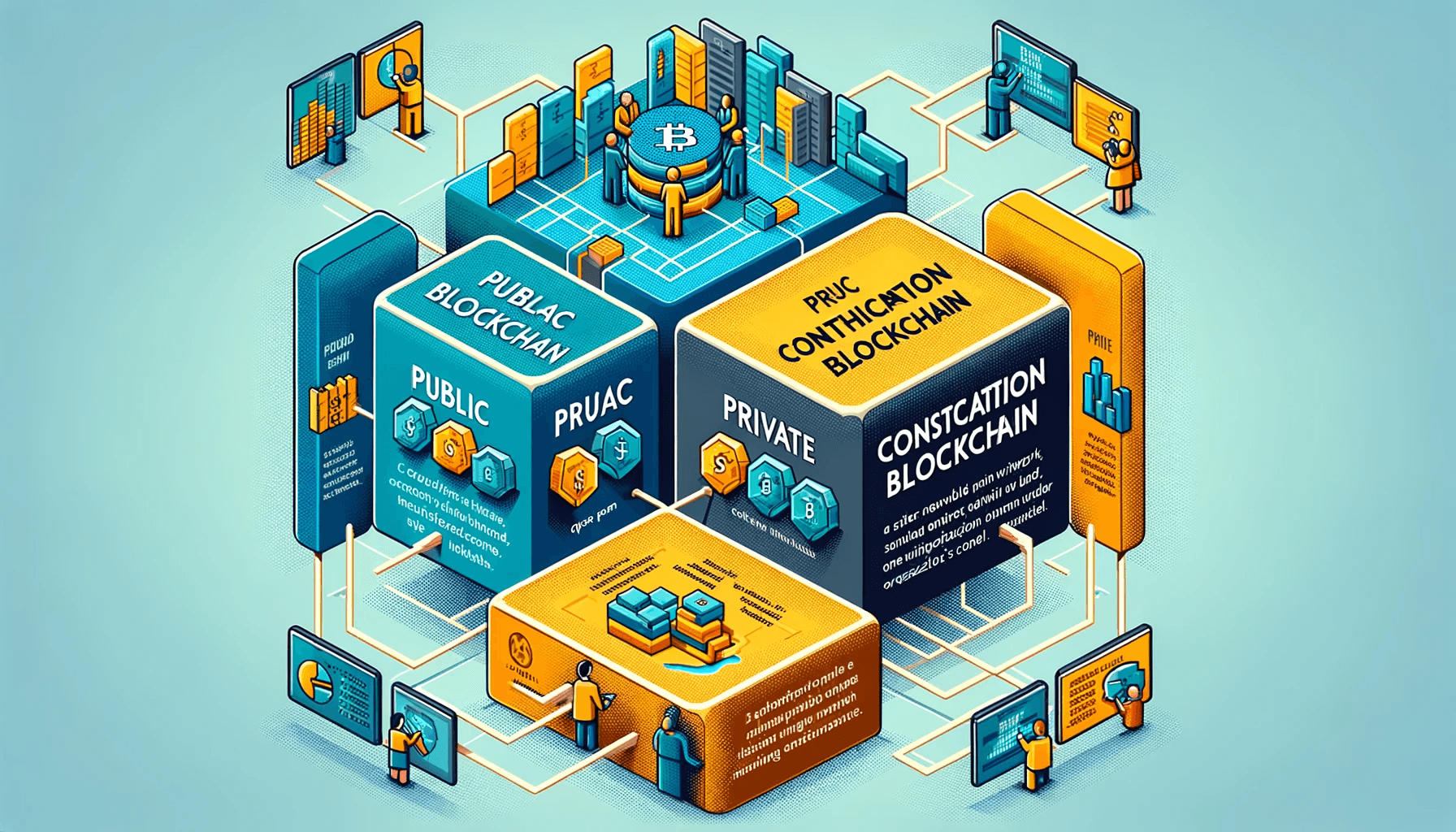
Blockchain technology is not one-size-fits-all; it manifests in different forms, each suited to specific needs and applications. Understanding these types is crucial for comprehending the versatility of blockchain. Here, we explore the primary types of blockchain: Public, Private, and Consortium.
1. Public Blockchains
Public blockchains are completely open and decentralized. They allow anyone to join and participate in the core activities of the blockchain, such as verifying transactions and creating new blocks. Bitcoin and Ethereum are classic examples of public blockchains. These blockchains are known for their transparency and security, as the data is validated by a large number of nodes. However, they can be less efficient due to their size and the consensus mechanisms they use.
Key Characteristics:
- Fully decentralized.
- Anyone can join and participate.
- High transparency and security.
2. Private Blockchains
A private blockchain, in contrast to the public type, is a closed network, typically controlled by a single organization or entity. Access to a private blockchain is restricted, making it more suitable for businesses and organizations that need to keep their data private while still benefiting from blockchain technology. They offer greater efficiency and scalability compared to public blockchains but at the cost of decentralization.
Key Characteristics:
- Centralized control by an organization.
- Restricted access.
- More efficient and scalable.
3. Consortium Blockchains
Consortium blockchains are a hybrid of public and private blockchains. They are operated by a group of organizations rather than a single entity, which makes them partially decentralized. This type of blockchain is ideal for scenarios where multiple entities need to collaborate and share data securely, such as in the banking sector.
Key Characteristics:
- Controlled by a group of organizations.
- Partially decentralized.
- Balances transparency with privacy.
Choosing the Right Type
The choice between public, private, and consortium blockchains depends on the specific needs and goals of a project or organization. Public blockchains offer maximum transparency and are ideal for systems that require unalterable data records. Private blockchains are suitable for corporate environments where privacy is paramount. Consortium blockchains strike a balance, suitable for collaborative environments among multiple organizations.
Real-World Applications of Blockchain
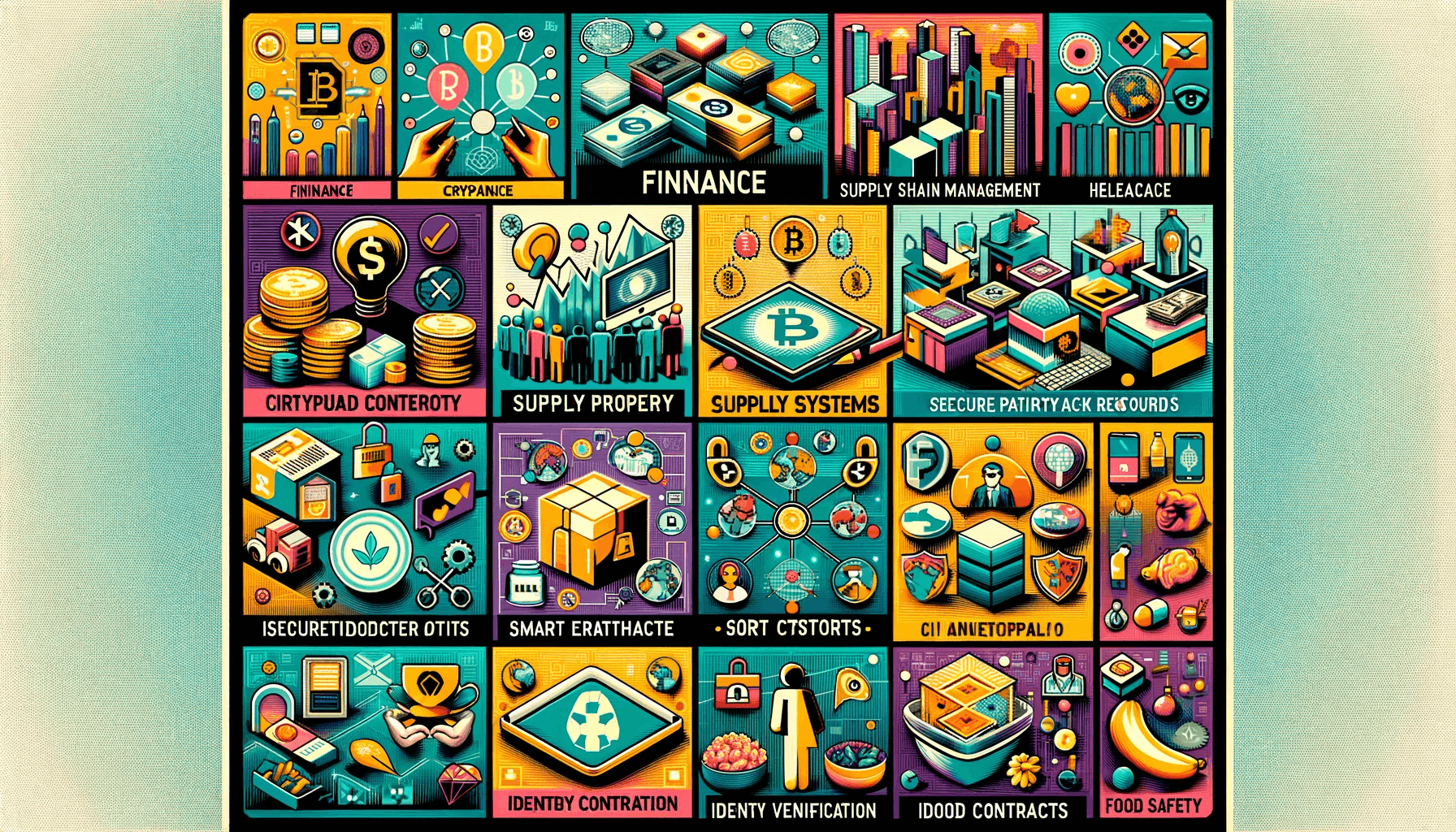
Blockchain technology, while often associated with cryptocurrencies, has a plethora of applications across various industries. Its unique features like decentralization, transparency, and security make it a valuable tool in many fields. Let’s explore some of the most impactful real-world applications of blockchain technology:
1. Finance and Banking
- Cryptocurrencies: Bitcoin, Ethereum, and other digital currencies are the most well-known applications of blockchain. They offer a decentralized form of currency that operates independently of traditional banking systems.
- Cross-Border Payments: Blockchain facilitates faster and cheaper international transactions by eliminating intermediaries, making it an attractive option for remittances and global transfers.
2. Supply Chain Management
Blockchain provides transparency and traceability in supply chains. It enables companies to track the production, shipment, and delivery of products in real-time, significantly reducing the chances of fraud and ensuring authenticity.
3. Healthcare
In healthcare, blockchain can securely store patient records, allowing for easy yet secure access by authorized personnel. It also ensures the integrity of medical records, making them reliable and tamper-proof.
4. Voting Systems
Blockchain can revolutionize voting systems by providing a secure, transparent, and tamper-proof platform. This can increase trust in electoral processes and potentially increase voter turnout.
5. Intellectual Property and Royalties
Artists and creators can use blockchain to protect their intellectual property and automate royalty payments, ensuring they are fairly compensated for their work.
6. Real Estate
Blockchain simplifies the process of buying and selling property by reducing fraud, expediting transactions, and lowering costs by minimizing the need for intermediaries.
7. Smart Contracts
Smart contracts automatically execute agreements when predefined conditions are met. This application of blockchain can be used in various sectors, from automating insurance claims to streamlining legal agreements.
8. Identity Verification
Blockchain offers a secure way to manage digital identities, providing a unified and tamper-proof system for identity verification, which is crucial in sectors like banking and government services.
9. Food Safety
In the food industry, blockchain can track the origin and journey of food products, providing consumers with information about the authenticity and safety of their food.
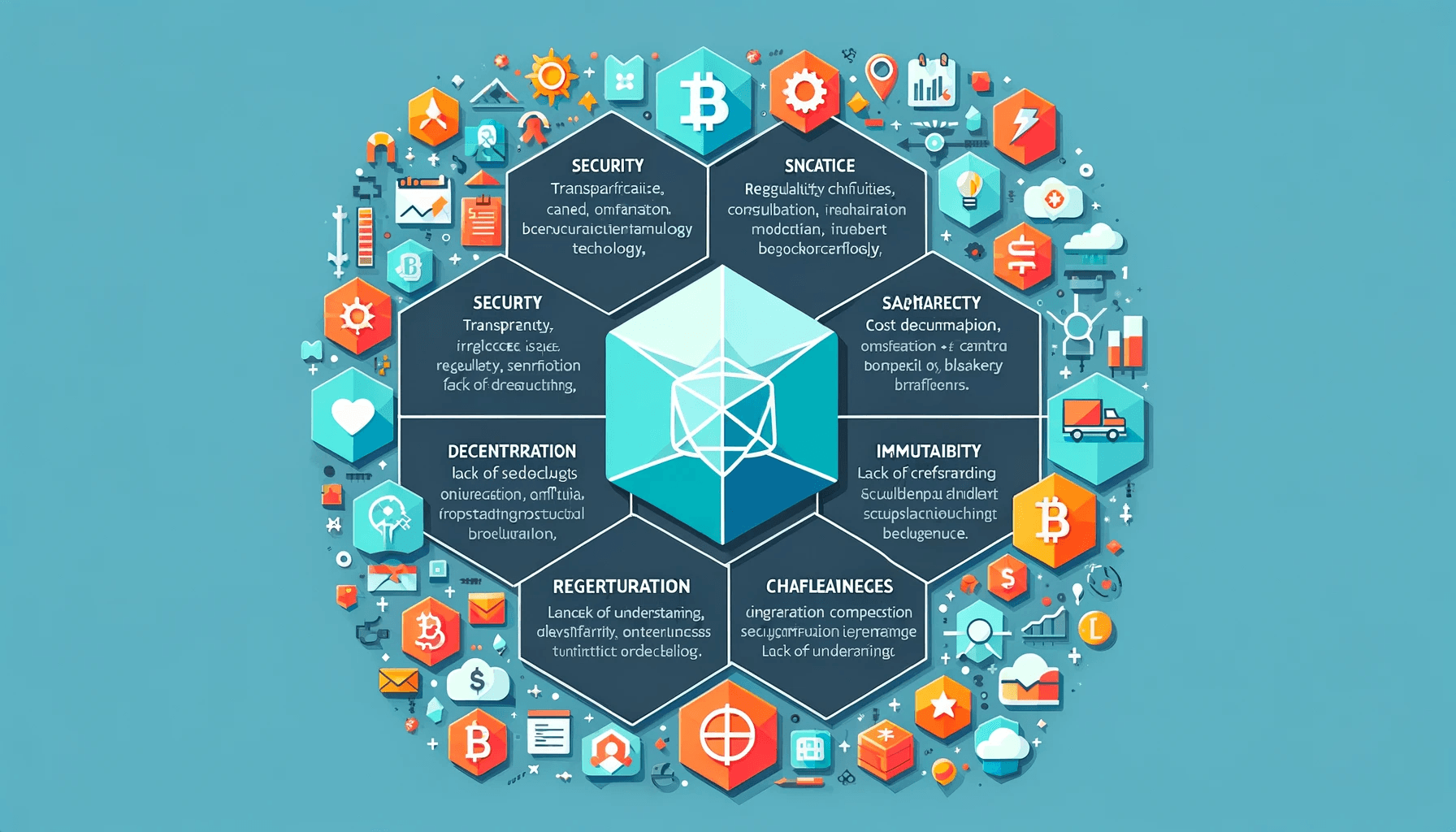
Benefits and Challenges of Blockchain Technology
Blockchain technology, while revolutionary, comes with its own set of benefits and challenges. Understanding these can provide a balanced perspective on its practicality and future potential.
Benefits of Blockchain
Enhanced Security: Blockchain’s use of advanced cryptographic techniques makes it highly secure against fraud and cyber-attacks.
Increased Transparency: The decentralized and transparent nature of blockchain ensures that all transactions are visible, traceable, and permanent.
Improved Efficiency: By streamlining and automating processes with blockchain, transactions become faster and more efficient, reducing reliance on paper-based legacy systems.
Reduced Costs: Blockchain eliminates the need for middlemen or intermediaries in various processes, significantly reducing costs.
Decentralization: The decentralized structure of blockchain distributes power away from centralized authorities, enhancing system reliability and user control.
Immutability: Once data is recorded on a blockchain, it cannot be altered or deleted, ensuring the integrity of the information.
Challenges of Blockchain
Scalability: One of the significant challenges facing blockchain technology is scalability. As the number of users grows, the technology needs to manage increased transactions without compromising on speed or efficiency.
Energy Consumption: Certain blockchain implementations, like Bitcoin’s Proof of Work, require substantial energy, leading to environmental concerns.
Regulatory Issues: The decentralized and anonymous nature of blockchain poses regulatory challenges, especially in sectors like finance, where compliance is crucial.
Integration with Legacy Systems: Integrating blockchain technology with existing systems can be complex and costly.
Lack of Awareness and Understanding: There is still a considerable lack of understanding about blockchain, which can hinder its adoption and acceptance.
Security Concerns: Despite its secure nature, blockchain is not entirely immune to risks. Issues like 51% attacks on smaller blockchains can be a concern.
Navigating the Future of Blockchain
While blockchain holds immense potential, navigating its challenges is crucial for its successful implementation and growth. Continued advancements in technology, along with constructive regulatory frameworks and increased public awareness, are key to harnessing the full potential of blockchain.
Getting Started with Blockchain
Embarking on the journey of understanding and possibly utilizing blockchain technology can be both exciting and overwhelming. Here are some practical steps and resources to help you get started:
1. Educate Yourself
Start with the basics. Understand the fundamental concepts of blockchain, how it works, and its key features. There are numerous free and paid resources available, including:
- Online Courses: Platforms like Coursera, Udemy, and edX offer courses ranging from beginner to advanced levels.
- Books for a Solid Foundation: Dive into the world of blockchain with these insightful books, each offering a unique perspective on the technology:
- "Blockchain Basics: A Non-Technical Introduction in 25 Steps" by Daniel Drescher: This book is ideal for beginners. It breaks down the concept of blockchain into 25 easy-to-understand steps, avoiding technical jargon and focusing on the fundamental principles that make blockchain revolutionary.
- "Mastering Bitcoin" by Andreas M. Antonopoulos: Geared towards a slightly more tech-savvy audience, this book provides a deep dive into the technology behind Bitcoin, one of the most well-known applications of blockchain. It's a great resource for understanding the intricacies of cryptocurrencies.
- "The Blockchain Revolution" by Don and Alex Tapscott: This book explores the broader implications of blockchain technology beyond just cryptocurrencies. It delves into how blockchain could transform various industries, from finance to healthcare, offering a glimpse into a decentralized future.
- "Blockchain: Blueprint for a New Economy" by Melanie Swan: Swan's book is a comprehensive look at the potential applications of blockchain technology. It provides a visionary perspective on how blockchain can be used to create new economic systems and manage assets more effectively.
- "Cryptoassets: The Innovative Investor's Guide to Bitcoin and Beyond" by Chris Burniske and Jack Tatar: For those interested in the investment aspect of blockchain, this book is a must-read. It provides insights into how to evaluate, invest, and manage various types of crypto assets.
- Podcasts and Videos: Subscribe to blockchain-focused podcasts and YouTube channels for insights and discussions.
2. Join Blockchain Communities
Being part of a community can accelerate your learning. Join forums and social media groups where you can ask questions, share knowledge, and stay updated with the latest trends. Platforms like Reddit, LinkedIn groups, and specific blockchain project forums are valuable resources.
3. Experiment with Cryptocurrencies
Understanding blockchain is often easier with hands-on experience. Start by setting up a cryptocurrency wallet, and try small transactions to get a feel for how blockchain operates in the real world.
4. Explore Development Tools
If you're inclined towards the technical side, explore blockchain development tools. Familiarize yourself with platforms like Ethereum for smart contracts or development frameworks like Truffle and Hardhat.
5. Attend Workshops and Webinars
Workshops and webinars can provide deeper insights into specific areas of blockchain. Keep an eye out for events hosted by universities, tech communities, or blockchain companies.
6. Stay Informed
The blockchain space is constantly evolving. Follow relevant news sources, read whitepapers, and keep up with the latest research to stay informed about new developments and opportunities.
7. Network
Networking with professionals in the field can open doors to learning and career opportunities. Attend blockchain conferences, seminars, and meetups to connect with experts and enthusiasts.
8. Consider Certification Programs
For those looking to establish a career in blockchain, consider enrolling in certification programs. These programs can provide structured learning and credentialing in the field.

Conclusion: Embracing the Blockchain Revolution
As we wrap up our exploration of blockchain technology, it's clear that we are standing at the precipice of a technological revolution. Blockchain isn't just a buzzword or a passing trend; it's a transformative technology that has the potential to redefine how we interact with the digital world.
A Future Built on Blockchain
Blockchain offers more than just a secure way to conduct transactions; it presents a vision of a decentralized and transparent digital future. From enhancing the security of online transactions to revolutionizing entire industries like finance, healthcare, and supply chain, blockchain stands as a beacon of innovation and efficiency.
The Journey Has Just Begun
For those of you who have accompanied us on this journey from understanding the basics to exploring its myriad applications, remember that this is just the beginning. The true potential of blockchain lies ahead, as it continues to evolve and integrate into various facets of our lives.
A Call to Continued Learning and Exploration
We encourage you to continue learning about blockchain, experimenting with its applications, and staying abreast of its evolving landscape. Whether you're a developer, investor, entrepreneur, or simply a curious mind, the blockchain world has something to offer everyone.
Parting Thoughts
Blockchain technology, with its promise of decentralization, transparency, and security, is not just shaping the future of technology but also paving the way for a more equitable and efficient world. As we move forward, let's embrace the possibilities that blockchain brings, and be part of this exciting journey into the future.

Further Reading and Resources
To continue your journey in understanding and exploring blockchain technology, we have compiled a list of additional resources. These resources will provide more in-depth information, latest developments, and diverse perspectives on blockchain.
1. Online Learning Platforms
- Coursera: Offers comprehensive courses on blockchain technology and its applications, suitable for various skill levels.
- edX: Provides a range of courses, including those developed by top universities and tech companies, focusing on both the technical and business aspects of blockchain.
2. Influential Blockchain Websites and Blogs
- CoinDesk: A leading news website that covers blockchain technology, crypto assets, and emerging fintech trends.
- Cointelegraph: Offers up-to-date news, analysis, and insights on cryptocurrencies and blockchain technology.
3. Podcasts
- Unchained: Hosted by Laura Shin, this podcast features interviews with key figures in the blockchain space and discusses the latest trends and ideas.
- The Blockchain Show: A podcast that introduces blockchain and digital currencies to a wider audience.
4. Forums and Community Groups
- Reddit: Subreddits like r/Blockchain and r/CryptoCurrency are great places for discussions and staying updated with community insights.
- LinkedIn Groups: Join blockchain-focused groups for professional insights and networking opportunities.
5. Books for Advanced Readers
- "Blockchain Technology Explained" by Alan T. Norman: A deeper dive into the technical aspects of blockchain.
- "The Internet of Money" by Andreas M. Antonopoulos: Explores the philosophical and social implications of blockchain and cryptocurrencies.
6. Research Papers and Whitepapers
- Google Scholar: A vast repository of academic papers on blockchain technology.
- Whitepapers of Major Cryptocurrencies: Reading the original Bitcoin whitepaper by Satoshi Nakamoto and other foundational documents can provide deep insights into the origins and intentions behind these technologies.
7. Conferences and Workshops
- Stay informed about upcoming blockchain conferences and workshops, which are great platforms for learning from experts and networking.
8. Newsletters and Industry Reports
- Subscribe to newsletters from reputable blockchain news sources and read industry reports for in-depth analyses and forecasts
You need to be logged in to comment